
https://www.aparat.com/v/tzcjd02
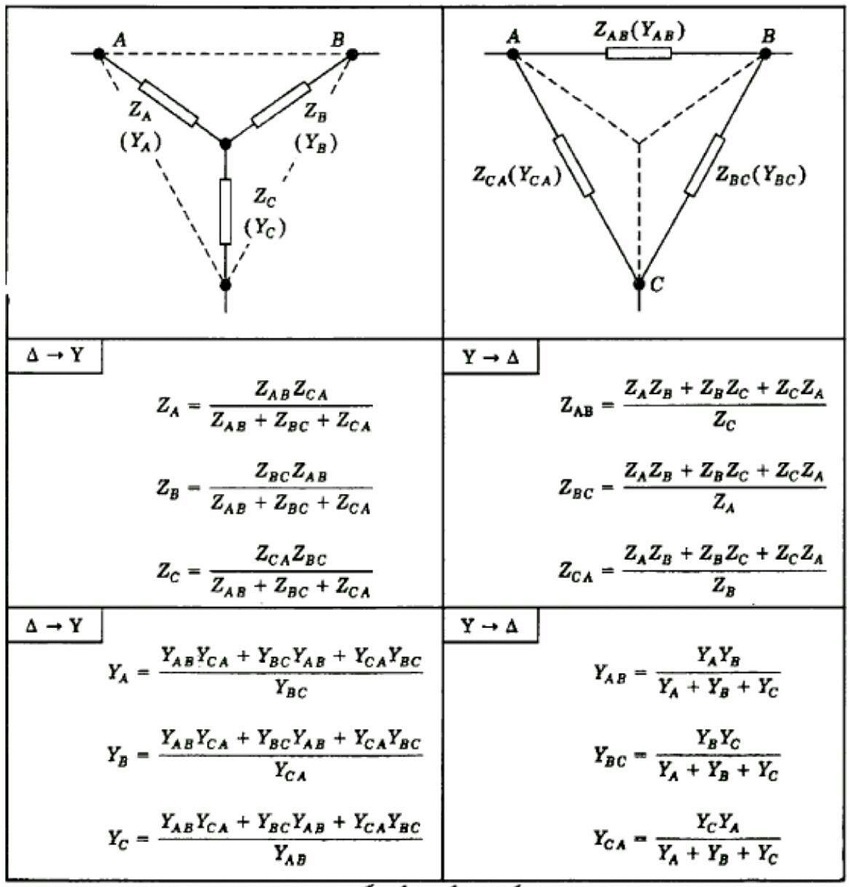
Basic electrical engineering; circuits, machines, electronics
by
Fitzgerald, A. E. (Arthur Eugene), 1909-1978
VECTOR_CONTROL_OF_AC_MACHINES_PETER_PETER_VAS
سوال ذیل به ظاهر ساده ولی دارای نکات جالبی است. این سوال را از ابزارهای مختلف هوش مصنوعی پرسیدم و بسیاری از آنها پاسخ اشتباه دادند. پاسخ درست را یکی از ابزارهای هوش مصنوعی (مدل هوش مصنوعی با نام flannel)، به زیبایی بیان کرد. در ذیل، سوال و سپس پاسخ ارایه میشود:
سوال:
A transformer has a completely ideal core. Does it necessarily mean zero leakage flux? Is it possible that we have an ideal core with zero reluctance, but still have leakage flux?
پاسخ:
## Step 1: Understand the terms involved
An ideal core in a transformer implies that the core has infinite permeability ($\mu_r = \infty$), zero conductivity (no eddy currents), and zero hysteresis loss. This means the core can carry any amount of flux without any opposition, theoretically resulting in zero reluctance ($R_c = 0$).
## Step 2: Relate ideal core to leakage flux
Leakage flux in a transformer refers to the magnetic flux that does not link with both the primary and secondary windings. It is the flux that escapes from the core and completes its path through the air. The presence of leakage flux is primarily due to the physical geometry of the transformer (e.g., finite core length, winding arrangements) rather than the magnetic properties of the core itself.
## Step3: Analyze the scenario of an ideal core with zero reluctance
If a transformer core is ideal with **zero reluctance** ($R_c = 0$), it implies that any magnetomotive force (MMF) applied to the core results in infinite flux ($\Phi = \mathcal{F}/R_c$ where $\mathcal{F}$ is the MMF and $R_c$ is the core reluctance). However, **zero reluctance** does not imply **zero leakage flux**. Leakage flux depends on how the windings are arranged relative to each other and the core, not directly on the core's reluctance.
## 4: Consider the possibility of leakage flux with an ideal core
Even with an ideal core (zero reluctance), **leakage flux can still exist** because it is determined by the design and geometry of the windings and the core, not the core's material properties (like permeability or reluctance). For instance, if the primary and secondary windings are not perfectly interleaved or if there's physical space between windings and the core, some flux lines will inevitably bypass the core and not link with one or both windings, constituting leakage flux.
## 5: Conclusion
An ideal transformer core with **zero reluctance** (implying perfect, infinite permeability) does **not necessarily mean zero leakage flux**. Leakage flux is a consequence of the transformer's physical construction (how windings are placed) rather than the core's magnetic perfection. Thus, **it is entirely possible to have an ideal core (zero reluctance) with leakage flux**.
The final answer is: $\boxed{yes}$
*💢نسخه سوم غول هوش مصنوعی چینی deepseek💢
مزایای هوش مصنوعی deepseek
🔸ساپورت زبان فارسی
🔸بدون نیاز به فیلترشکن یا تحریم شکن
🔸کاملا رایگان
🔸تولید محتوای بیشتر نسبت به chatgpt و Gemini Google
♦️آدرس هوش مصنوعی deepseek
https://www.deepseek.com/
🔻کانال مقاله نویسی و پایان نامه نویسی👇👇👇 *
https://ble.ir/mohagheghabzar
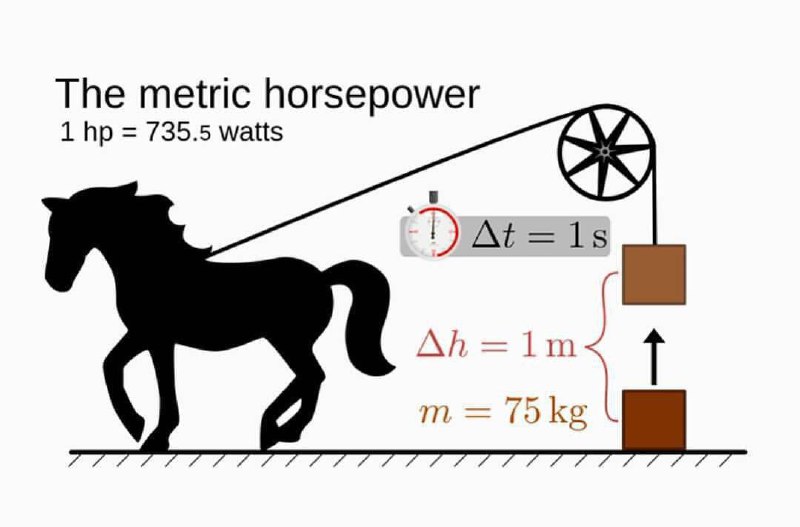
جزوه اندازه گیری الکتریکی دکتر پور محمدیان
جزوه اندازه گیری الکتریکی استاد ارجمند جناب آقای دکتر رضا قاضی
روغن ترانس آیا نقشی دارد که مشابه خون در بدن ما انسانها باشد؟
بله، تشبیه روغن ترانسفورماتور به خون در بدن انسان، تشبیهی دقیق و بجاست. روغن ترانس نقش حیاتی و چندگانهای در عملکرد ترانسفورماتورها ایفا میکند که شباهت زیادی به وظایف خون در بدن انسان دارد. در اینجا به بررسی این شباهتها میپردازیم:
وظایف روغن ترانس و شباهت آن با خون:
خنککاری:
- روغن ترانس: همانند خون که حرارت تولید شده در اندامهای بدن را جذب و به ریهها و پوست منتقل میکند تا دفع شود، روغن ترانس نیز گرمای ناشی از تلفات هسته و سیمپیچها در ترانسفورماتور را جذب و به رادیاتورها یا سیستم خنککننده دیگر منتقل میکند تا دفع شود و از افزایش بیش از حد دما و آسیب به عایقها و سایر اجزای ترانس جلوگیری کند.
- خون: خون با گردش در بدن، حرارت تولید شده در اثر فعالیتهای متابولیکی را جذب و به سطح پوست منتقل میکند تا از طریق تعریق و تابش، دفع شود و دمای بدن را در محدوده نرمال حفظ کند.
عایق الکتریکی:
- روغن ترانس: روغن ترانس به عنوان یک عایق الکتریکی قوی، از ایجاد اتصال کوتاه بین بخشهای مختلف ترانسفورماتور جلوگیری میکند. این امر مشابه نقش خون در حفظ یکپارچگی ساختار بدن و جلوگیری از اختلال در عملکرد اندامها است.
- خون: اگرچه خون رسانای جریان الکتریکی است، اما در حالت کلی، وجود غشاهای سلولی و بافتها، از عبور مستقیم جریان الکتریکی در بدن و ایجاد اختلال در عملکرد سیستم عصبی و سایر اندامها جلوگیری میکند.
حفاظت از قطعات:
- روغن ترانس: روغن ترانس با ایجاد یک لایه محافظ بر روی قطعات داخلی ترانسفورماتور، از آنها در برابر خوردگی، اکسیداسیون و سایر آسیبها محافظت میکند. این امر مشابه نقش خون در انتقال مواد مغذی و اکسیژن به سلولها و دفع مواد زائد است که به حفظ سلامت و عملکرد صحیح بافتها و اندامها کمک میکند.
- خون: خون با انتقال مواد مغذی، اکسیژن، هورمونها و سایر مواد ضروری به سلولها و بافتها، به حفظ سلامت و عملکرد صحیح آنها کمک میکند و همچنین با دفع مواد زائد، از تجمع آنها و ایجاد آسیب جلوگیری میکند.
تشخیص وضعیت:
- روغن ترانس: با آنالیز روغن ترانس، میتوان به وضعیت داخلی ترانسفورماتور، وجود آلودگیها، رطوبت، ذرات معلق و سایر مشکلات پی برد و اقدامات لازم برای تعمیر و نگهداری را انجام داد. این امر مشابه آزمایش خون در پزشکی است که با بررسی ترکیبات خون، میتوان به وضعیت سلامت بدن و وجود بیماریها پی برد.
- خون: آزمایش خون با بررسی پارامترهای مختلف مانند تعداد سلولهای خونی، میزان قند، چربی، آنزیمها و سایر مواد، اطلاعات مهمی در مورد وضعیت سلامت بدن و وجود بیماریها ارائه میدهد.
نتیجهگیری:
همانطور که خون نقش حیاتی در حفظ سلامت و عملکرد بدن انسان دارد، روغن ترانس نیز نقشی اساسی در عملکرد صحیح و طول عمر ترانسفورماتورها ایفا میکند. به همین دلیل، مراقبت و نگهداری از روغن ترانس و انجام آزمایشهای دورهای برای بررسی کیفیت آن، از اهمیت بالایی برخوردار است و میتواند از بروز مشکلات جدی و هزینههای سنگین جلوگیری کند.
جزوه آمار و احتمالات مهندسی دکتر رزمخواه (دانشگاه فردوسی مشهد)
جزوه آموزشی انتگرال دوگانه (با مثالهای متنوع حل شده)
جزوه آمار و احتمالات استاد خدری
دو سایت عالی خلاصه سازی مقالات و نیز پرسش از داخل فایل مقاله
https://answerthis.io
https://notegpt.io
https://www.aparat.com/v/slq9qwb
دانلود جزوه فارسی بسیار عالی برای یادگیری سیستمهای خورشیدی فتوولتائیک (PV)
جزوه الکترونیک صنعتی دکتر هاشم نیا
Yes, there is a subtle difference between **equivalent sun hours (ESH)** and **peak sun hours (PSH)**, though they are often used interchangeably in casual conversation about photovoltaic (PV) systems. Understanding the distinction can be crucial for accurate system design and performance estimation.
Let's break down each term:
**Peak Sun Hours (PSH)**
* **Definition:** PSH refers to the number of hours per day during which solar irradiance averages 1,000 watts per square meter (1 kW/m²). This 1 kW/m² is considered the standard test condition (STC) for solar panel testing.
* **Concept:** It represents the theoretical amount of time the sun would need to shine at 1 kW/m² to deliver the same amount of energy as the actual, fluctuating solar irradiance throughout a given day.
* **Example:** If a location receives 5 PSH in a day, it means that the total solar energy received throughout that day is equivalent to the energy received if the sun were shining at 1 kW/m² for 5 hours straight.
* **Calculation:** PSH is calculated by dividing the total daily solar insolation (measured in kilowatt-hours per square meter, kWh/m²) by the standard irradiance of 1 kW/m².
* **Practical Use:** PSH is used to estimate the potential energy output of a PV system in a specific location. It helps determine the appropriate size of the system needed to meet energy demands.
**Equivalent Sun Hours (ESH)**
* **Definition:** ESH refers to the number of hours per day that a PV system would need to operate at its rated power (under STC) to produce the same amount of energy as it does under actual operating conditions.
* **Concept:** ESH takes into account system losses like temperature effects, shading, dust accumulation, wiring losses, inverter efficiency, and module degradation. It reflects the real-world performance of the PV system, not just the available solar resource.
* **Example:** If a PV system generates 4 kWh of electricity in a day and has a rated power of 1 kW, then it has experienced 4 ESH.
* **Calculation:** ESH is calculated by dividing the actual energy output of the PV system (in kWh) by its rated power (in kW).
* **Practical Use:** ESH provides a more realistic estimate of the energy a PV system will produce. It is used for performance monitoring, financial analysis, and comparing the effectiveness of different system designs.
**Key Differences Summarized**
| Feature | Peak Sun Hours (PSH) | Equivalent Sun Hours (ESH) |
|-----------------|---------------------------------------------|--------------------------------------------------|
| **Focus** | Solar resource availability (irradiance) | Actual system performance (energy output) |
| **Factors** | Only irradiance | Irradiance, system losses, and efficiency |
| **Representation**| Theoretical energy input | Real-world energy output |
| **Purpose** | System sizing and initial potential estimate | Performance analysis and realistic energy yields |
**In Essence:**
* **PSH** tells you how much sunshine a location gets in a way that is useful for PV design.
* **ESH** tells you how much energy a PV system actually produced, accounting for all the factors that affect its performance.
**Why the Distinction Matters:**
* **Accurate Performance Prediction:** Using PSH alone can overestimate system output. ESH provides a more realistic estimate, crucial for financial projections and meeting energy needs.
* **System Optimization:** Understanding the difference helps identify and mitigate losses, leading to improved system efficiency and higher ESH.
* **Troubleshooting:** Comparing PSH and ESH can pinpoint performance issues. A large discrepancy might indicate shading, component failure, or other problems.
**In Conclusion:**
While PSH and ESH are related and often used loosely, understanding the subtle distinction between them is essential for anyone working with PV systems. PSH represents the available solar resource, while ESH reflects the actual energy output of a system after accounting for real-world conditions and losses. This knowledge empowers you to design, analyze, and optimize PV systems for optimal performance and financial returns.
برای پایان نامه های انگلیسی (و اسپانیایی و فرانسوی و ...)
https://oatd.org/
برای پایان نامه های فارسی
https://ganj.irandoc.ac.ir
همچنین برای دانلود ایبوک از دو سایت زیر استفاده کنید:
https://www.libgen.is/
https://vdoc.pub/
برای دریافت مقالات انگلیسی از سایت زیر:
https://sci-hub.wf/
ابزار هوش مصنوعی بسیار جالب. یک سوال را از دو هوش مصنوعی میپرسید و هر دو پاسخ میدهند و به آن یکی که پاسخ مناسب تری داده، رای مثبت میدهید.
https://lmarena.ai
https://www.aparat.com/v/lqel5f6
تعدادی سایت مفید هوش مصنوعی برای کمک به پژوهش
https://chromewebstore.google.com/detail/sider-chatgpt-sidebar-+-g/difoiogjjojoaoomphldepapgpbgkhkb?hl=en
https://chat.openai.com/
https://lmarena.ai/
https://chat.portal.so/
https://library.scholarcy.com/try
https://notegpt.io/user/login
https://www.editpad.org/tool/research-title-generator
https://avalai.ir/
https://www.semanticscholar.org/
https://ahrefs.com/writing-tools/seo-title-generator
https://elicit.com/
https://answerthis.io/
https://jenni.ai/
https://app.litmaps.com/
https://www.researchrabbit.ai/
https://www.aparat.com/fariborzi2020/videos
https://gapgpt.app/chat